Why Late Fall Is the Best Time for a Chemical Peel
If you have been thinking about a chemical peel, the best time to get one is right about now. Late fall and the winter months are known among skin professionals as peel season, and the search data agrees: Google searches for “chemical peel” in the US climb every year from November and peak around March. There are good reasons for that timing, and they all come back to one thing: the sun.
Why Is Fall and Winter the Best Time to Get a Chemical Peel?
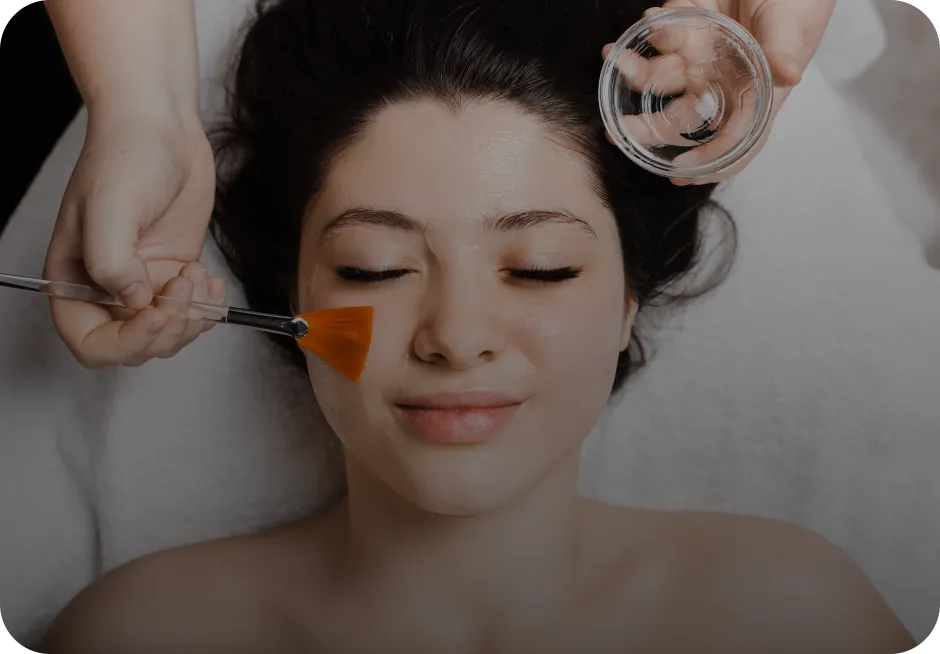
Chemical peels work by using a chemical solution to exfoliate and remove the outermost layer of your skin, the damaged surface cells, and stimulate regeneration. The new skin underneath is smoother and more even, but for the first few weeks it is also more sensitive to sunlight than usual.
That is why timing matters so much:
- Less sun exposure. Shorter days mean you spend more time indoors, so far less UV reaches freshly treated skin, which lowers the risk of irritation and new dark spots while it heals.
- Summer damage is ready to treat. Fall is when the sun damage, uneven skin tone and hyperpigmentation from summer show most clearly, and a peel is one of the best tools for fading them.
- Results build over a series. Most skin concerns improve over several sessions. Starting in the fall and winter months leaves room for a full course before spring sunshine returns.
- Your skin looks its best by spring. A winter series means you head into the warmer months with a clearer complexion.
Is a Chemical Peel in Winter Really Better?
For most people, yes. A winter chemical peel gives your skin healing time without strong sun working against it, and cold-weather dullness is exactly what a peel treatment refreshes. That makes November to March the ideal time for chemical peels for most skin types, and late fall the perfect time to schedule a chemical peel series if you want results from your chemical peel to show by spring.
The one thing winter asks of you is moisture. Indoor heating dries skin out, so a gentle moisturizer matters even more while you heal.
What Can a Chemical Peel Help With?
A professional chemical peel treatment is one of the most versatile skin treatments, because removing the top layer of skin improves several concerns at once:
- Dullness and rough texture. Removing dead skin cells leaves skin fresh and radiant.
- Breakouts and clogged pores. Peels deeply cleanse pores and help calm the look of breakouts on acne-prone skin.
- Pigmentation. Dark spots left by breakouts or sun damage, and a patchy skin tone, fade over a course of peels.
- Fine lines. Regeneration helps soften early wrinkles.
- Post-acne marks and shallow scarring. Texture improves and marks become less visible.
What Type of Chemical Peel Is Right for You?
All chemical peels involve the same idea, but they come in different depths, and the depth decides both the results and the recovery time.
- A light chemical peel works on the surface of the skin. It refreshes the complexion with little or no visible peeling and suits regular treatments.
- A medium chemical peel reaches a little deeper. Medium-depth peels give stronger results on pigmentation and texture, with a few days of visible flaking.
- A deep chemical peel, such as high-strength trichloroacetic acid or phenol, is a medical procedure performed in dermatology and plastic surgery practices, with significant downtime.
The peels at our studio are professional cosmetic peels with minimal downtime. Every appointment starts with a skin analysis, so the type of peel matches your skin type and goals rather than a fixed menu.
Can You Get a Chemical Peel in Summer?
You can, but it asks more of you. Strong sun on freshly peeled skin raises the risk of irritation and new pigmentation, so a summer treatment means strict sun protection and avoiding direct sun for weeks. Most people find it far easier to get a chemical peel between November and March, and switch to gentler treatments like a HydraFacial in the sunniest months.
How Long Before an Event Should You Get a Chemical Peel?
Do not book a peel the week of a wedding, photoshoot or party. Skin can look pink and may flake for a few days, so leave at least a week, ideally two, before any important date. If you are undergoing a chemical peel series, the best time to schedule the last session is a few weeks before the event.
Planning brows too? A peel should be done two to four weeks before any brow work. Our guide to nano brows vs microblading explains the rest of the brow pre-care.
How to Prepare and Care for Your Skin
Before your treatment: pause retinoids, exfoliating acids and other strong actives for about a week before treatment, avoid sun exposure and self-tanner, and come without makeup if you can. If your retinoid was prescribed by a dermatologist, ask them before pausing it. Our pre-care instructions list the details.
After your treatment: keep your skin care simple with a gentle cleanser and moisturizer, wear sunscreen every day, and keep the treatment area out of direct sun. Do not pick at flaking skin; let it shed on its own to support skin healing. Keep retinoids and acids paused until your skin has settled. The aftercare guide covers what is normal and when to contact us.
Frequently Asked Questions
What months are best for chemical peels?
November through March, when sun exposure is lowest. It also gives you time to complete a series before spring.
How often should you get a chemical peel?
Light peels are usually done as a course of several sessions a few weeks apart, then as occasional maintenance. Your schedule depends on your skin and the peel used, which is decided at your analysis.
What are the downsides of a chemical peel?
Temporary redness, sensitivity and possible flaking, plus a strict sunscreen routine afterwards. A deeper peel may need more recovery time, which is why depth should match your skin and your calendar.
How long do the results last?
Smoother, brighter skin is visible within days. Improvements in pigmentation and texture build over a series and last longer with daily sun protection.
Is a chemical peel worth it?
For dullness, uneven tone, clogged pores and post-acne marks, a course of peels is one of the most cost-effective cosmetic treatments available. For deeper acne scarring, microneedling may do more.
Schedule Your Chemical Peel in Midtown Manhattan
A single chemical peel at Maya Skin & Brow Studio is $299, or $749 for a course of three, which is the natural way to use peel season. We are at 315 5th Ave, Room 807, at 32nd Street in NYC, open Wednesday to Sunday. Read more about our chemical peels or schedule your treatment online.